The Last Giant: Why we misunderstand Francis Ford Coppola (and why I love him)
By Pedram Zolgadri — published 2026-04-07
Of course, taste in movies is subjective. If we lock three people in a room, they come out with five different favorite films. But if I ask you: "What is objectively the best movie of all time?", then one title will come up over and over again.
**Francis Ford Coppola's "The Godfather"
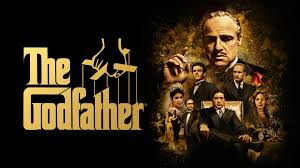
What Messi is to soccer, or what MrBeast is to YouTube, *The Godfather* is to cinema. There's even someone out there who has developed their own algorithm to add up all the relevant ratings from IMDb, Letterboxd and Rotten Tomatoes. The result? 1st place, unsurprisingly. So it's not a stretch to say that this movie is the foundation of modern cinema.
Today, in an age of content overload, it's hard to imagine how influential this work actually was. It has shaped generations. There are studies on the so-called "Godfather Effect" that show how this film changed the self-image of the Italian-American community. Suddenly, the mafia was a romanticized concept.
Coppola could have retired with this movie alone. He was immortal. But what does he do? Two years later, in 1974, he released *The Godfather 2* in cinemas. A film that is both a sequel and a prequel. A movie about revenge, power, family and the decay of the soul. Al Pacino and Robert De Niro play their hearts out. Many - including myself - consider it even better than the first part. Possibly the best trilogy in film history.
Coppola was unstoppable in the 70s. He was in a frenzy.
### The golden decade and the forgotten masterpiece
We need to talk about 1974 for a moment. In the same year, in the same damn April, he released one of the most underrated films of all time: *The Conversation* (The Dialogue). A psychological thriller, a character study with a sound design that was out of this world. Three Oscar nominations. Critics lay at his feet. And yet hardly anyone knows him today. Why?
Because Coppola cast his own shadow. At the Oscars, *The Conversation* competed against *The Godfather 2* - for "Best Film". He was competing against himself, so to speak. Of course, The Godfather won. Coppola was the king of Hollywood.
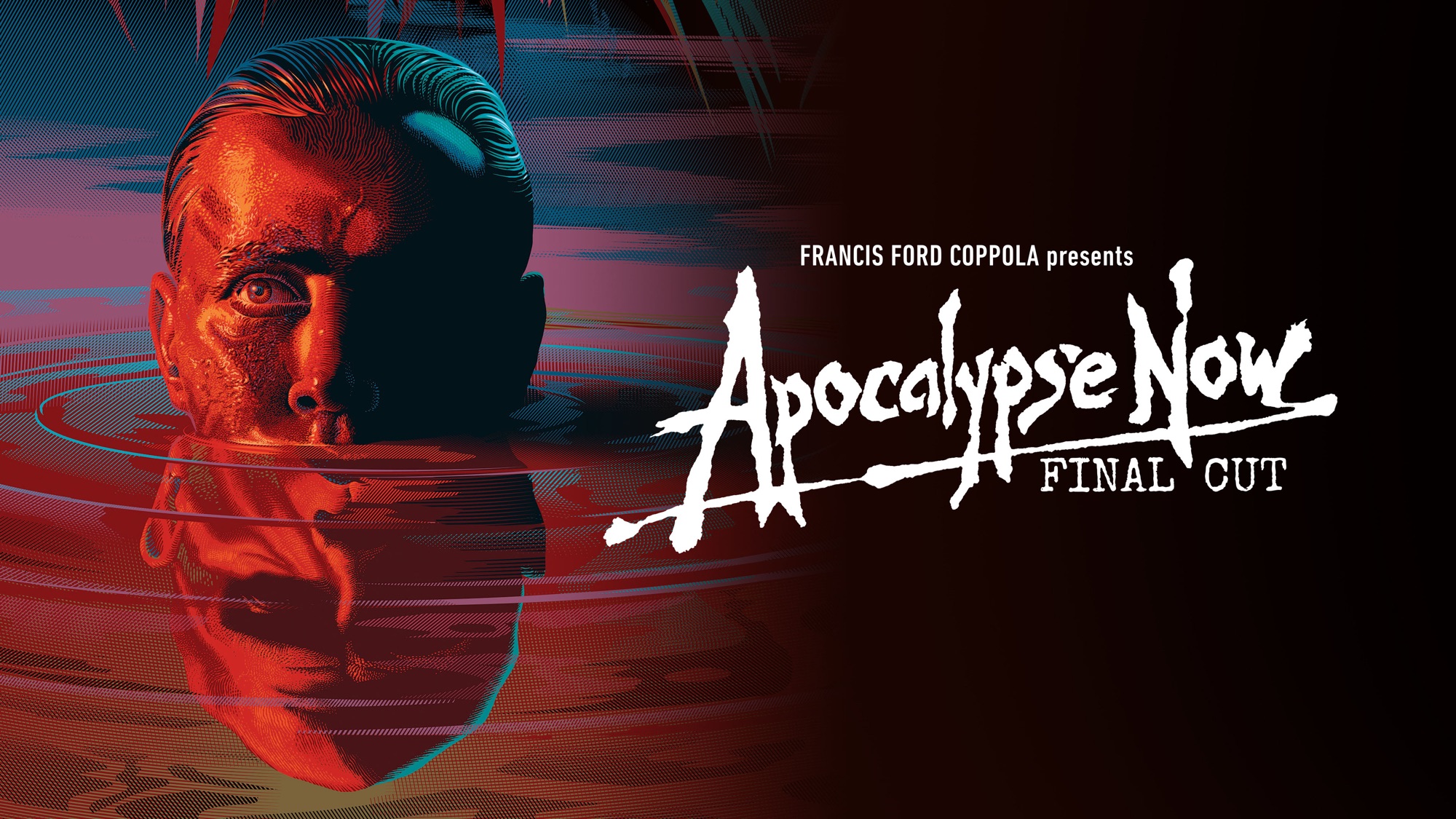
And when you thought this Icarus flight couldn't go any higher, he threw himself into the madness called *Apocalypse Now* (1979). A movie whose production was so chaotic that it almost cost his sanity, his finances and Martin Sheen his life. But the result? Another bombastic masterpiece.
Between 1972 and 1979, this man made perhaps the four best and most influential films of all time. He defined the "New Hollywood". He became a living legend.
But then... Silence. Or worse: the crash.
### The fall of Icarus?
Let's jump to the present. What has happened? Let's take a look at the last 20 years. Since 2000 came movies like *Youth Without Youth*, *Tetro* and the infamous *Twixt*. I'm sure most of you know the Twix candy bar, but not this movie. And that's understandable. *Twixt* is a fever dream. No one has seen this movie. And if you have, you wonder: was that really Coppola? Did the same man who directed the Corleone saga make this confused trip without context?
It feels like you've been walking through the desert for days without water and have started to hallucinate.
You can't help but think: has the old man, now over 80, lost his spark? It's like in sport. The only opponent nobody beats is "Father Time". Muhammad Ali has missed the jump. The Rolling Stones are still touring, but when was the last time you heard a new song from them that blew you away?
Artistic careers often only have a short window of absolute genius. You have to constantly reinvent yourself, adapt, move with the times. Most people don't manage that. Martin Scorsese is perhaps the only exception, who matures like a good wine. But Coppola? Is he just a shadow of his former self?
I don't think so. I think we're measuring him with the wrong yardstick.
### The obsession with truth
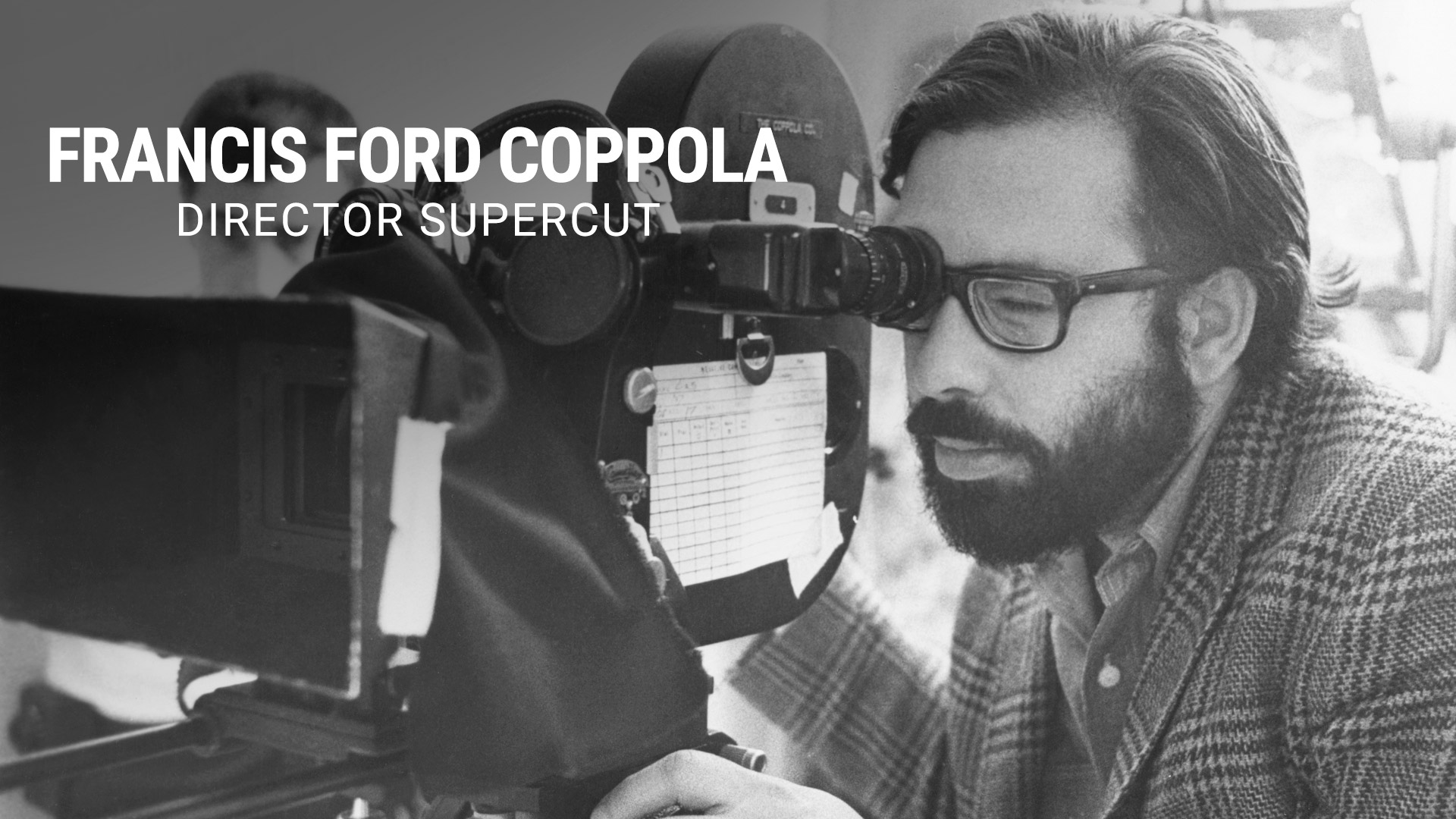
Coppola is fundamentally different from most of today's directors. We live in a time when almost everything is shot in front of green screens. Dead actors are brought back by AI. Historical facts are optional. There is a lack of *authenticity*.
But Coppola is obsessed with truth. Even with The Godfather, he wanted real Italians at all costs. He spent huge amounts of money just to build kitchen facilities so that the actors could cook authentically, so that the smell was right, so that the *culture* was palpable.
There's this scene in the documentary about *Apocalypse Now*. Coppola explains how he wants the scene at the dinner on the French plantation. He talks like a man possessed. The movie has to be more real than reality. He's not looking for the perfect shot, he's looking for the *true moment*.
He says himself: "More than anything else, I look for truth in my films."
That's why he doesn't make films to tell stories. And certainly not to be successful. He once said that he "prostituted himself" when he made films for the audience, for money and success. His aim is to find something real within the story.
Do you remember Luca Brasi in The Godfather? The actor was not a professional. He was so nervous about playing in front of Marlon Brando that he kept mumbling his lines to himself before the shoot. Coppola secretly filmed this - and cut this exact scene into the movie. When Luca Brasi stutters during the Don, it's not acting. It's real nervousness. That is reality.
### Why we make art (The pain in Twixt)
And here we come back to *Twixt*, the movie that everyone hates. To understand this movie, we have to understand a tragedy. Coppola lost his son Gio in a boating accident. A pain that has never left him. In *Twixt* he deals with exactly that. The death of a child.
He once said in an interview: "You don't make art to entertain people. But to learn something about yourself. But to do that, you have to sit down and 'bleed it out'. You can only do that with your own blood."
I don't like *Twixt*. I can't do anything with it. But Coppola didn't make this movie for me. He didn't make it for the studio either. He had to process something. Art is born from the artist's point of view. From tragedy, anger, love, hate. There's something burning under the skin that has to come out.
That's why an AI can never make real art. Because it has no perspective. It has not lost a son. It feels no pain. Art doesn't have to make sense and it doesn't have to please anyone. Shia LaBeouf once said: "Art is when it moves you."
Jackson Pollock, the painter, threw paint on the canvas without thinking. If he had said: "I don't paint a stroke until I know exactly why", the canvas would have remained blank. With *Twixt*, Coppola made a student film, so to speak. He wanted to start from scratch. To learn. To develop. Maybe not the way we wanted him to ("Make another Mafia movie!"), but the way he needed to.
He was in his early 30s when he made The Godfather. He was young, naive, needed money for his family and wanted to please. Today he's 85 and has to deal with death, ageing and loss. Of course, he makes other movies.
###
### The risk: Everything on one card
An essential part of art is risk. Coppola hates Marvel movies. Not out of snobbery, but because they are risk-free. It's always the same story, just different costumes. No innovation, no risk of failure.
Even Scorsese returned to the mafia genre at some point (*The Irishman*). For Coppola, this is almost a tragedy. He doesn't want to repeat himself. He wants to find out something new about himself. Van Gogh painted almost 900 paintings. We know maybe ten. Does that make the others worthless? Have they failed? No, they are part of the journey.
Coppola is perhaps the most uncompromising artist in Hollywood. He lost everything back in the 80s. After *Apocalypse Now*, he made *One From the Heart*. He wanted to revolutionize cinema, to create "electronic cinema", away from realism and towards the surreal. He poured his entire personal fortune into it. The movie flopped gigantically. Coppola went bankrupt. He lost everything. He had to spend decades shooting commissioned work (films like *Jack* or *The Rainmaker*) that he didn't actually want to make, just to pay off his debts.
And now? He's old. He has money again. He has built his vineyard into an empire. He could enjoy his last years in the Tuscan sun, drink wine and be celebrated as a legend.
But he's still the same madman.
He has sold everything again. Large parts of his winery. Why? To finance *Megalopolis*. A project he has had in mind for decades. A movie that is huge, that devours millions. No studio wanted to finance it. So he pays for it himself. Again, he puts all his eggs in one basket. Not for more money - he knows the movie will probably flop. Not for fame - he has that.
But because he *has* to do it. Because it's art.
### A farewell therapy letter
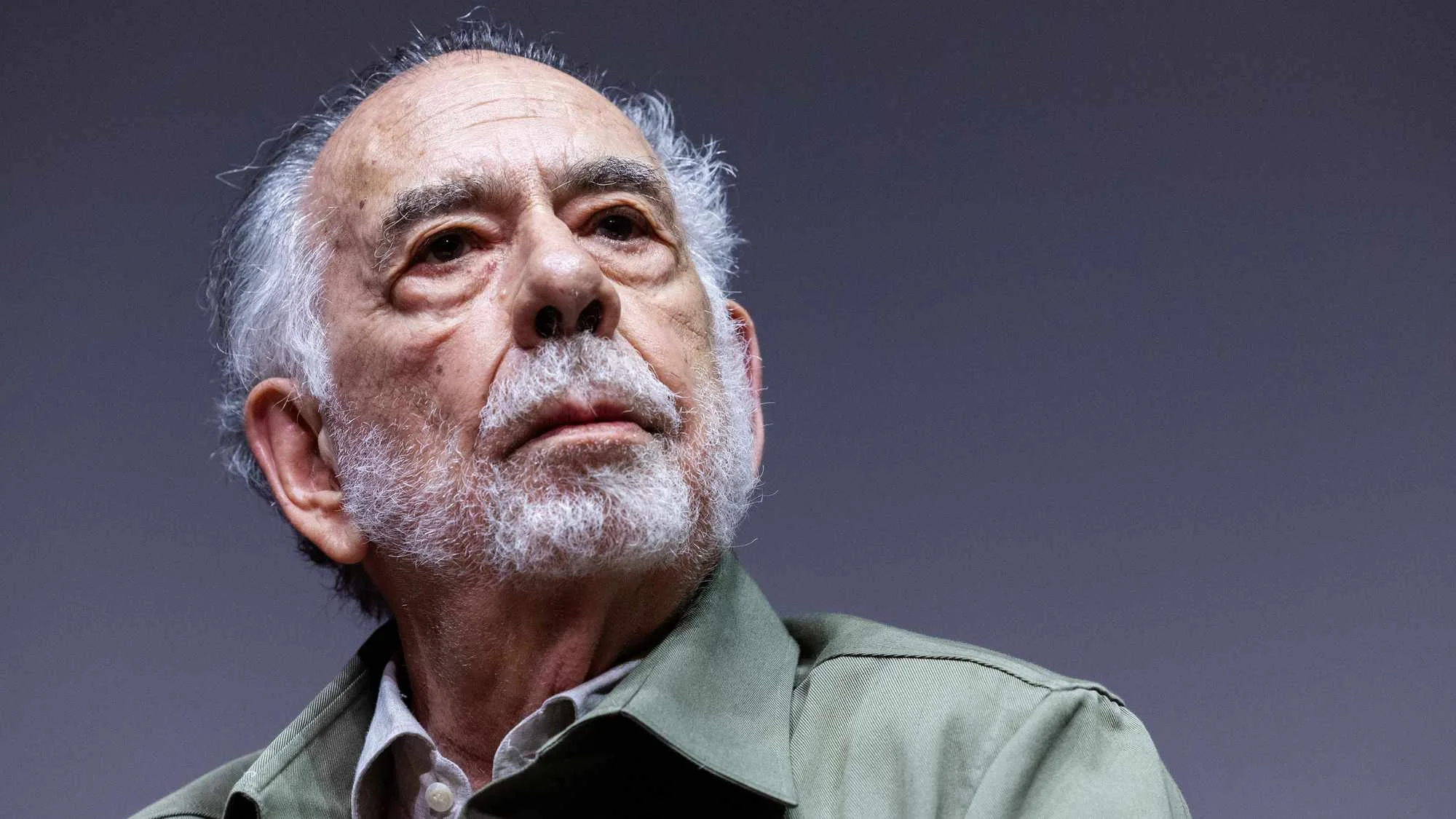
In a few days, *Megalopolis* might be coming out. The first reviews are... difficult. They're calling it a fever dream, a disaster, unwatchable. It will probably be one of the biggest financial flops in cinema history.
But you know what? I don't care. It's the movie that Coppola says is his most important.
How easy it would have been to do nothing. But he chooses to take the risk. He chooses to "bleed out". This video, or rather this text, has perhaps become somewhat comical. Less a critique, more a therapy session for myself. Thoughts about art that I needed to get rid of.
If Coppola fails with *Megalopolis*, he fails on his own terms. And that deserves more respect than any cookie-cutter billion-dollar success from the retort.
Thank you, Francis. For everything. See you at the *Megalopolis* review.
Contact: hello@heisenberg-studio.com — Heisenberg Studio, Berlin, Germany.